
Is weight training safe for teenagers? Yes, when it is supervised, technique-first and progressed sensibly. It is one of the most common questions parents ask the exercise physiologists at our Samford gym, usually because of an old myth they heard growing up.
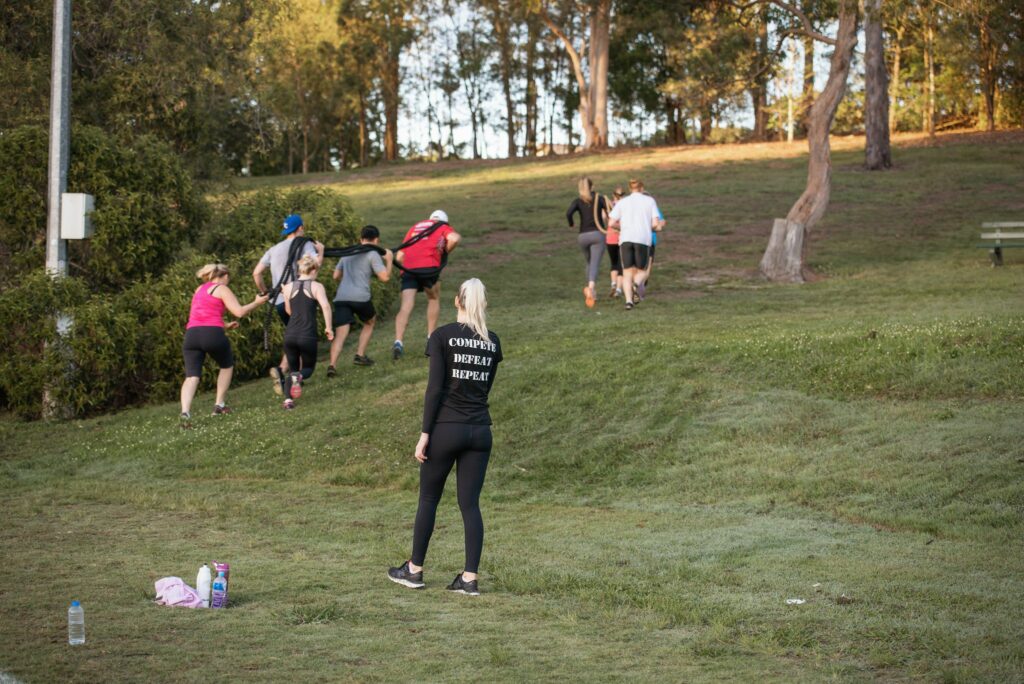
Is weight training safe for teenagers: the myths
“It stunts growth.” This idea has been around for decades and is not supported by the research on supervised youth training. Teens in well-run programs grow normally.
“It damages growth plates.” The reports of growth plate injuries in young lifters come almost entirely from unsupervised lifting, poor technique and maximum attempts. Coached training looks nothing like that.
“They should wait until they finish growing.” There is no need. Body weight work and light, coached lifting can start in early adolescence.
What makes it safe
| Safe | Not safe |
|---|---|
| Qualified coach present | Teens training alone in a garage |
| Technique learned with light load first | Copying lifts from videos |
| Small, planned increases | Testing maximums with friends |
| Rest days between sessions | Lifting every day |
| Stopping when form breaks down | Grinding out ugly reps |
How we start teenagers
- A movement screen: squat, hinge, lunge, push, pull and landing.
- Body weight versions of each pattern until they are smooth.
- Light dumbbells or kettlebells for the same patterns.
- A bar, once technique holds up under fatigue.
Each session starts with a proper warm-up like our running warm-up, and our article on when should my child start strength training covers readiness for younger kids.
What a first session looks like
Expect more coaching than lifting. A typical first session is a warm-up, a movement screen, then three or four exercises with body weight or a broomstick while the coach adjusts position and explains why. Most teens leave a little tired and keen to come back, not wrecked.
Signs to slow down
- Pain in a joint, heel or lower back, rather than general muscle soreness.
- Pain that lingers into the next day or changes how they move.
- Very fast weight increases week to week.
- Training through school sport, club and gym with no rest day.
General soreness after a new session is normal. Our guide to soreness after training explains the difference.
Questions to ask before signing up
- Who coaches the sessions, and what qualifications do they hold?
- How many teens does one coach supervise at once?
- How is technique taught before weight is added?
- How does the program fit around school and club sport?
- What happens if my teen reports pain?
A good program will answer all five clearly. Vague answers are a sign to keep looking.
Supplements are a separate question
Teens who start lifting often start looking at the supplement aisle too. Our view is food first: regular meals and snacks with everyday protein foods. Parents asking the same safety question about tubs and shakes can read this plain guide, is protein powder safe for teenagers, which covers what to check on the label.
Common questions
What age is safe to start weight training?
Many teens start around 12 or 13 with body weight and light loads under supervision. Readiness matters more than age.
Should teenagers lift heavy?
Not at first. Heavier loads come later, after months of good technique and with a coach present.
Is a school gym class enough supervision?
It depends on the ratio and the coach’s qualifications. One qualified coach watching a small group is ideal.
Can lifting help my teen in their sport?
A well-coached program builds strength and body control that carries into most sports, alongside regular sport training.
When to get it checked
If your teen has had an injury, has a sore spot that keeps returning, or you want them started properly, book an exercise physiologist assessment at our Samford gym.