
Triathlon training over 50 is not a smaller version of what you did at 35. The fitness is still there to be built, but the way you build it has to change. At our Samford gym we see plenty of age-group triathletes in their fifties, and the ones who keep racing all do a few things differently.
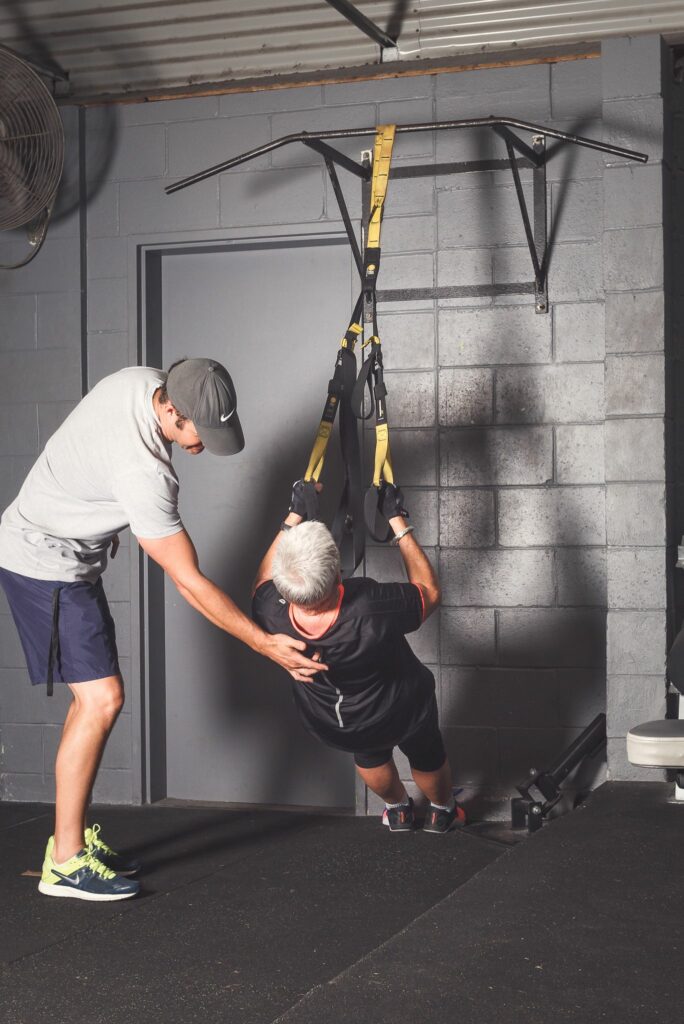
What changes with triathlon training over 50
- Recovery between hard sessions takes longer. Plan an extra day.
- Muscle mass and power decline unless you deliberately train them.
- Tendons and joints become the limit, especially the Achilles, knees and lower back.
None of that means slowing down for good. It means training smarter. For the wider picture, including how the 40-plus age groups have kept improving, read this coach’s guide to triathlon over 40.
A sample week
| Day | Session |
|---|---|
| Monday | Strength 40 minutes, easy swim |
| Tuesday | Bike with intervals |
| Wednesday | Easy run, technique swim |
| Thursday | Strength 40 minutes, easy spin |
| Friday | Rest or mobility |
| Saturday | Long ride, short run off the bike |
| Sunday | Long easy run or open water swim |
Only two sessions in that week are genuinely hard. Everything else is easy.
Strength is not optional after 50
Squat, hinge, single-leg work, calf raises and a pull, twice a week. Calf and Achilles strength in particular is the difference between running through your fifties and not. Our strength training over 40 guide explains how heavy and how often.
Build in lighter weeks
Every third week, cut volume by about a third. Many athletes over 50 do better on a two-weeks-on, one-week-lighter rhythm than the classic three-and-one. Keep a little intensity in the lighter week so you do not feel flat when the next block starts, and use the extra time for sleep and mobility work.
Common questions
Is it safe to start triathlon after 50?
For most healthy adults, yes, with a sensible build-up. If you have a heart condition or have been inactive for a long time, get a medical check first, then start with sprint-distance goals.
Should I train less because I am older?
Not necessarily less, but with more easy sessions, fewer hard ones, and more deliberate recovery. Many athletes over 50 train well on eight to ten hours a week.
Which discipline should I focus on?
Usually your weakest. For many older age groupers that is the swim, and technique work there pays off faster than extra fitness.
Do I still need intervals?
Yes. Some hard work keeps your top-end fitness. Two hard sessions a week is plenty; the rest should be genuinely easy.
When to get it checked
Morning Achilles stiffness that lasts more than a few days, a knee that swells after runs, or back pain on the bike are worth an assessment. An exercise physiologist can test strength and range and adjust your plan before it costs you a season.