
Do active people need supplements is one of the questions we hear most at our Samford gym, usually from someone holding a shopping list of powders they saw online. Our honest answer: most people who train regularly need better everyday meals before they need anything from a tub. Products can be a convenience once the basics are steady, but they are never the starting point.
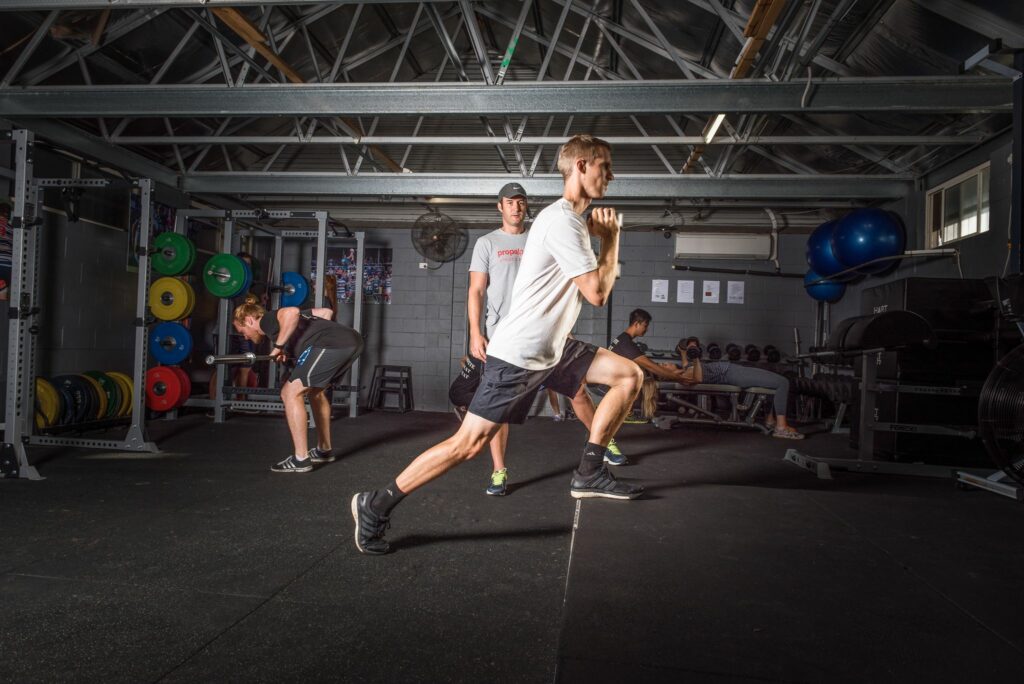
Do active people need supplements, or better meals?
When members show us what they eat, the gaps are almost always the same: not enough total food, too little protein at breakfast, and very little carbohydrate around training. None of those are fixed by a capsule. They are fixed by planning meals.
Supplements, by their own definition, are meant to add to a diet. If the diet underneath is shaky, there is nothing for them to add to.
The food-first order we use
- Eat enough. Under-eating is the most common issue we see, especially in people who train before work.
- Protein at every meal. A palm-sized serve at breakfast, lunch and dinner.
- Carbohydrate around training. More on heavy days, less on rest days.
- Fruit and vegetables at most meals. Two handfuls is a simple target.
- Fluids. Drink regularly, and more on hot days and long sessions.
Only once those five are steady for a few weeks do we talk about anything extra.
A training day without a single tub
| Time | What to eat |
|---|---|
| Breakfast | Eggs on wholegrain toast, or Greek yoghurt with oats and fruit |
| Lunch | Chicken or lentil wrap with salad and a piece of fruit |
| Before training | Banana, or toast with honey |
| Dinner | Fish or lean meat, rice or potatoes, two vegetables |
| Evening | Milk, yoghurt or cottage cheese if still hungry |
That day covers protein, carbohydrate and colour for most people training three to five times a week.
Where a product can make sense
Some members choose a product for convenience or preference: a protein powder because mornings are rushed, or a food ingredient they like using in smoothies and baking. That is a reasonable choice as long as it sits on top of good meals, not instead of them. No product does the training or the eating for you.
If you are looking at an ingredient like lecithin for the kitchen, the same three questions apply as for anything else: the source, the form, and what is in each serve. Here is a plain guide to choosing a lecithin supplement on those points.
Five questions before you buy anything
- Am I eating enough total food for my training?
- Could I get this from a meal instead?
- Do I know exactly what is in each serve?
- Is the brand clear about where it comes from and how it is tested?
- Will I actually use it every week?
If you answer no to the first or yes to the second, put the money toward groceries.
Runners and lifters
Runners building toward an event need more carbohydrate as weekly volume climbs; our half marathon plan shows how that volume builds. Lifters need steady protein across the day. Both start with meals. Our pre workout snack guide covers the hour before a session.
Common questions
Do active people need supplements if they eat well?
Most do not need them. Some choose a product for convenience, which is fine once meals are steady.
Is protein powder a supplement or a food?
It is a convenient form of protein. It can replace a protein snack, but not a meal on its own.
How do I know if I am eating enough?
If energy drops mid-session, you feel flat for days after training, or your weight drifts down without trying, look at total food first.
Where do I start if my diet is a mess?
Start with breakfast. Add a serve of protein to it every day for two weeks, then move to the next step.
When to get it checked
If you are eating well and training is still going backwards, book in with an exercise physiologist. We will look at training load and recovery, and refer you to an accredited dietitian if a full plan would help.