
Masters athlete training works best when it is built around recovery rather than squeezed around it. At our Samford gym we coach runners, cyclists, rowers, grapplers and triathletes in their forties, fifties and sixties, and the ones who keep improving all train to the same basic structure.
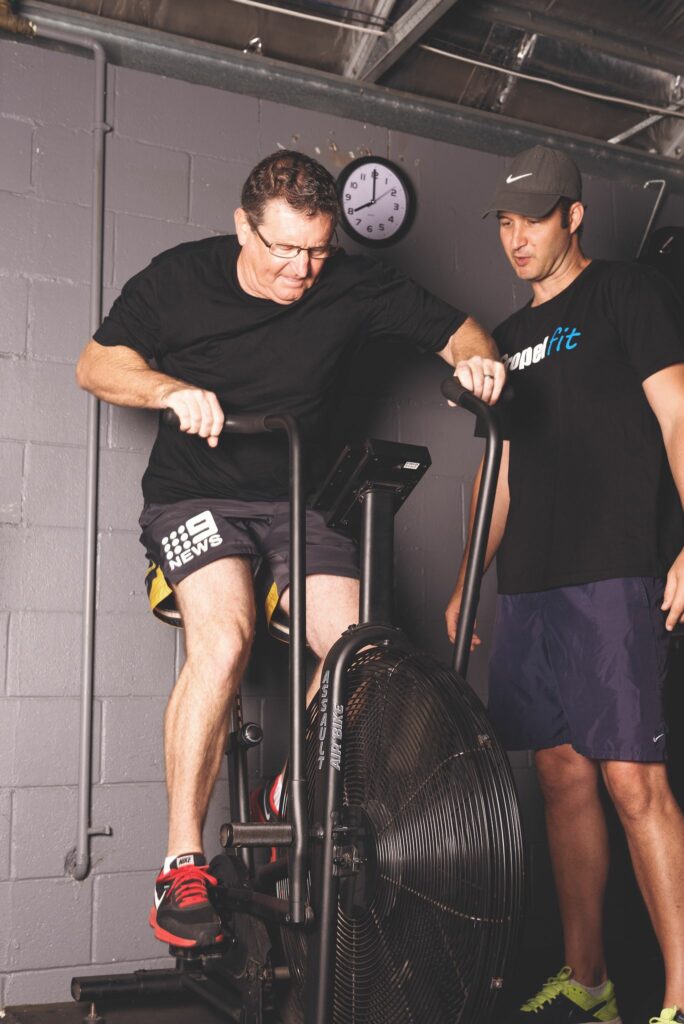
What changes for masters athletes
The engine ages slowly in people who keep training. What changes faster is recovery between hard sessions, muscle mass and power, and how quickly tendons adapt to new load. Your training has to respect all three.
The weekly structure we use
| Session type | How many per week | Notes |
|---|---|---|
| Hard sport sessions | 2 | Intervals, hard rolls, race-pace work |
| Easy sport sessions | 2 to 4 | Genuinely easy, conversational |
| Strength | 2 | 30 to 45 minutes, squat, hinge, single leg, pull, calves |
| Rest or mobility | 1 to 2 | Walk, mobility, sleep in |
Every third or fourth week, cut total volume by about a third. Many athletes over 50 do better on two weeks building and one week lighter.
Masters athlete training and strength work
Strength is the session most masters athletes skip and the one that keeps them in the sport. It builds the muscle and tendon capacity that endurance work does not. Our senior strength workout and strength training over 40 guide explain how heavy and how often.
Recovery is part of the program
Sleep seven to nine hours, eat enough protein at every meal, and keep easy days easy. Our guide to soreness after training explains why soreness lasts longer as you age and what actually helps.
Nutrition and supplements
Food comes first. Once that is right, a short list added one at a time makes sense. Propel Health Australia has set out the order a coach would use in their guide to supplements for masters athletes.
Common questions
At what age are you a masters athlete?
Most sports start masters age groups at 30 or 35, in five-year bands. If you train with purpose and compete against your own age group, you are one.
How many hard sessions should a masters athlete do?
Two a week is enough for most. Three is possible for some, but only if recovery, sleep and strength work are all in place.
Should masters athletes train less?
Not necessarily less, but with more easy work, fewer hard sessions and more deliberate recovery weeks. Total volume can stay surprisingly high when the intensity is managed.
Do I need a coach?
Not always, but an outside view helps you avoid the most common mistake: training every session at the same medium-hard effort.
When to get it checked
If the same niggle keeps returning, or a sore spot changes how you move, see an exercise physiologist. Recurring problems usually have a cause we can find and train around.