
Pilates for women over 40 is one of the most popular ways to start moving again, and for good reason. It is controlled, low impact and teaches you to feel what your trunk and hips are doing. At our Samford gym we love it as part of a week. We just do not want it to be the whole week.
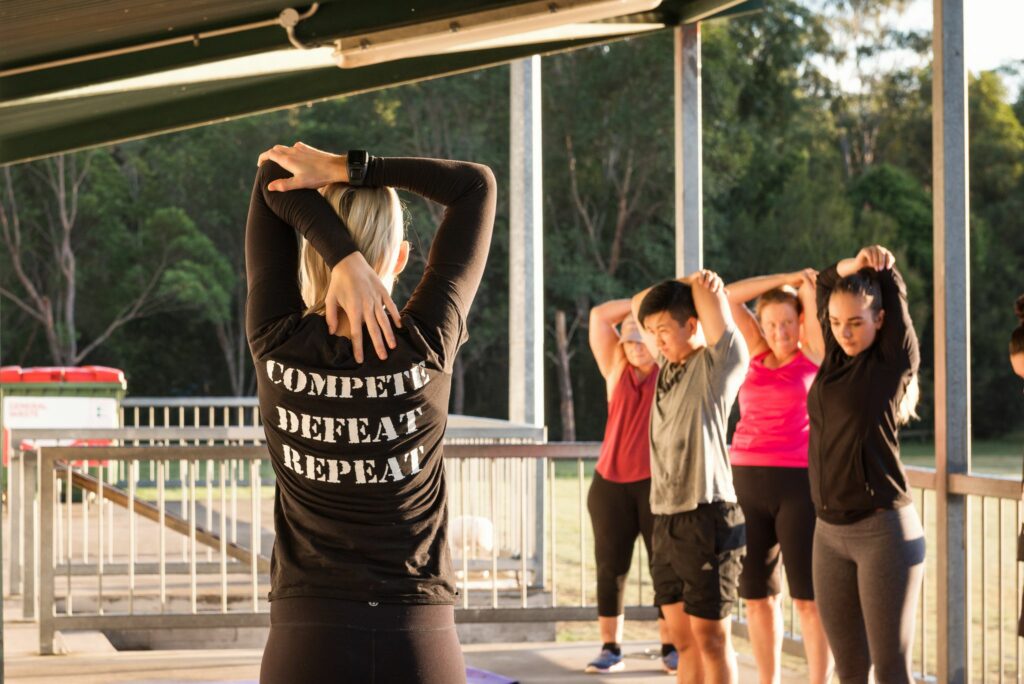
What pilates does well
- Body awareness. You learn to control your pelvis, ribs and breathing, which carries over into lifting.
- Trunk endurance. Holding positions under control builds stamina through the middle of the body.
- Mobility through range. Many exercises take hips and the spine through movements we rarely use day to day.
- A friendly starting point. For women who have not trained in years, a pilates class feels less intimidating than a weights floor.
Where pilates for women over 40 falls short
Most mat and reformer classes do not load your muscles and bones as heavily as lifting does. After 40, heavier loading is what matters most for holding on to muscle and keeping legs strong. Pilates also has little impact work, such as hopping or skipping, which is useful in small doses for many women.
So the honest answer is: pilates is excellent for control and mobility, and works best paired with strength training.
A balanced week
| Day | Session |
|---|---|
| Monday | Strength: squat, push, pull, carry |
| Tuesday | Pilates class (mat or reformer) |
| Wednesday | Walk or easy ride, 30 to 45 minutes |
| Thursday | Strength: hinge, lunge, push, pull |
| Friday | Rest or gentle mobility |
| Saturday | Pilates or yoga, plus a longer walk |
| Sunday | Rest |
Our guide to strength training for women over 40 explains the strength side in detail.
Choosing a class
- Look for a small class where the instructor actually corrects your form.
- Reformer classes add spring resistance and can be harder than they look.
- If you have had children, ask for an instructor who understands pelvic floor and abdominal separation, or see a women’s health physio first.
- Start with two classes a week and see how your body responds.
Pilates-style moves you can do at home
- Dead bug, 3 x 8 each side, slow and controlled
- Side-lying leg lifts, 2 x 12 each side
- Glute bridge with a three-second hold, 3 x 10
- Bird dog, 3 x 8 each side
- Cat-cow, 10 slow rounds
Add our hip mobility drills on the same day if your hips feel tight from sitting.
Keeping the rest of the routine simple
The women who stick with training long term keep everything around it simple: a set time for classes, a bag packed the night before, and a breakfast they do not have to think about. If you already take a collagen drink and are wondering which format is easier to fit into a busy day, this plain guide to collagen powder vs tablets sets out the grams in each.
Common questions
Is reformer pilates enough strength training?
It is a good start, but most women over 40 will also benefit from lifting free weights or machines two days a week for heavier loading.
Is pilates good if my back is sore?
It depends on what is going on, and every back is different. Get an exercise physiologist to assess you first, then we can tell you which moves to keep, which to change and whether a class suits you right now.
Pilates or yoga?
Pilates leans more towards control and trunk endurance, yoga towards flexibility and breathing. Both pair well with strength training.
How often should I do pilates?
Two sessions a week alongside two strength sessions is a great balance for most women.
When to get it checked
If certain pilates moves cause discomfort, leaking or a feeling of pressure, stop and see an exercise physiologist or a women’s health physio. We can modify the exercises so you keep moving.