
Race day routine is the part of training most runners never practise. They follow a 12-week plan to the letter, then wake up on the day, eat something new, warm up for 30 seconds and go out too fast. The exercise physiologists at our Samford gym write out a simple routine with every runner we prepare, and we rehearse it at least twice before the event.
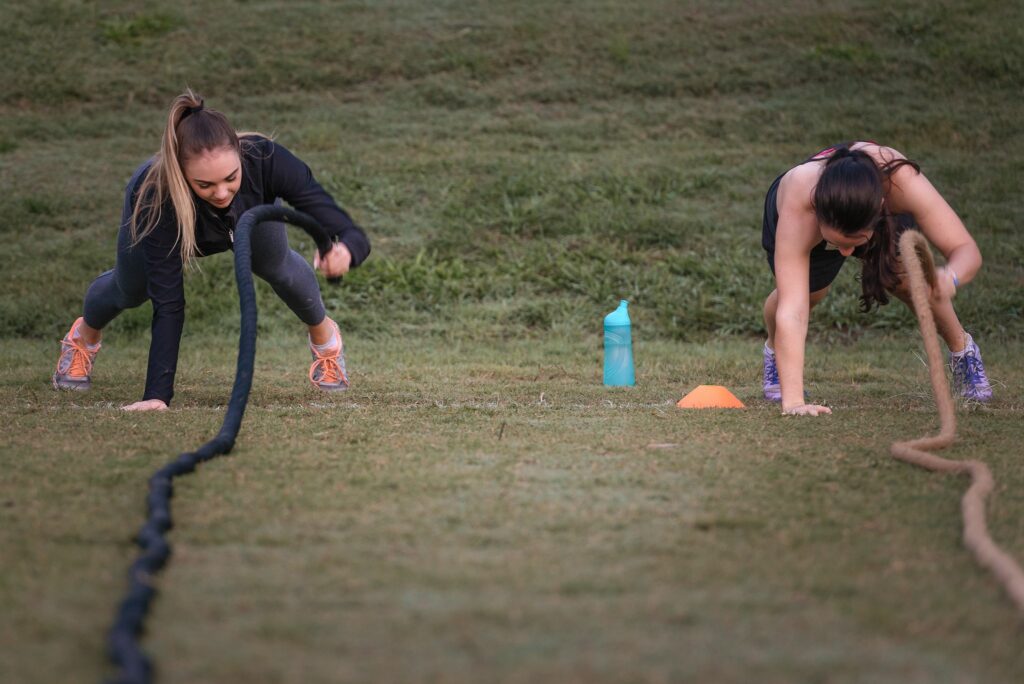
The race day routine timeline
| Time | What to do |
|---|---|
| Night before | Lay out kit, pin the bib, charge the watch, set two alarms |
| 3 hours before | Wake up, drink a glass of water, eat your rehearsed breakfast |
| 90 minutes before | Leave home, allowing for parking and queues |
| 45 minutes before | Toilet stop, bag drop |
| 25 minutes before | Warm-up: easy jog, drills, two or three short strides |
| 10 minutes before | Into the start pen, small sips of water |
Breakfast and the rule of nothing new
Eat what you ate before your last three long runs. Same food, same amount, same timing. Race morning is the worst possible time to try a new bar, a new gel or a new drink, no matter what is being handed out at the expo.
The same goes for anything you normally take with breakfast. Runners who travel to events often ask whether to pack a powder or something smaller; that is a convenience choice, and this comparison of beetroot powder vs capsules explains the difference in format if you are weighing it up.
Warm-up
A short run needs a longer warm-up, and a marathon needs very little. For a 5 or 10 km, do 10 minutes of easy jogging, a few drills, and three strides at race pace. For a half or full marathon, a few minutes of walking and jogging plus some leg swings is plenty. Our running warm-up guide lays out the drills.
Pacing in your race day routine
The most common mistake we see is a first kilometre 20 to 30 seconds faster than goal pace. Adrenaline makes it feel easy. Decide on your pace before the start and check your watch at the first marker. If you are ahead of plan, back off.
- First third: slightly slower than goal pace.
- Middle third: settle into goal pace.
- Last third: hold on, then lift if you have something left.
Fluids and fuel
For anything over an hour, plan your fuel stops in advance and practise them in training. Our energy gels for running and electrolyte drinks guides cover amounts and timing.
What to pack
- Bib, pins and timing chip
- Shoes and socks you have run in at least three times
- Anti-chafe balm
- A throwaway top for the start
- Dry clothes and a snack for after
If your event is a half marathon, our half marathon plan has a taper week that leads straight into this checklist.
Common questions
Should I run the day before a race?
A short, easy 15 to 20 minute jog with a couple of strides suits most runners. It keeps the legs feeling normal.
How much should I sleep the night before?
Do not stress if you sleep badly. The two nights before matter more, so bank good sleep earlier in the week.
What if I need the toilet during the race?
Use the stops on course. Losing a minute is far better than running uncomfortably for an hour.
When to get it checked
If a niggle in your calf, knee or hip is getting worse in the weeks before a race, do not run through it and hope. Book in with an exercise physiologist who can assess it and tell you honestly whether to race, modify or wait.