
Active recovery workout sessions are the easiest training you will do all week, and that is the point. At our Samford gym we use a 25-minute easy session the day after hard training to keep people moving without adding fatigue. Done properly, you should finish feeling better than when you started.
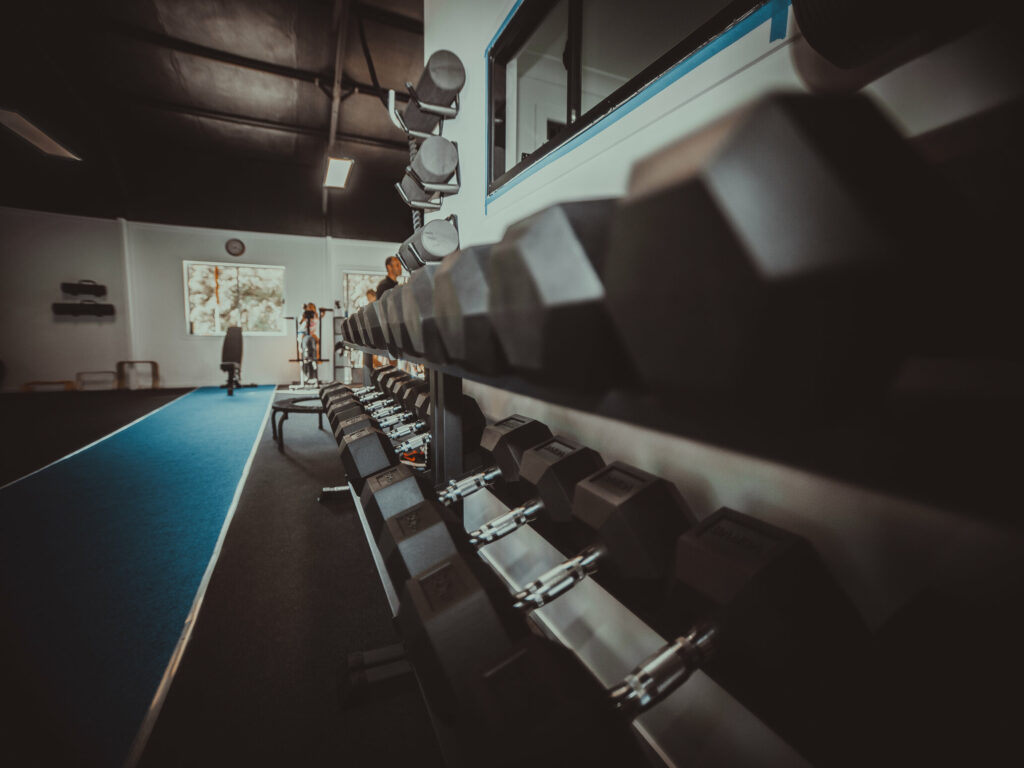
What active recovery means
Active recovery is light movement at a very low effort: think 3 or 4 out of 10. It keeps blood moving, loosens stiff joints and gets you out of the chair, without being hard enough to need its own recovery.
The 25-minute active recovery workout
| Block | Time | What |
|---|---|---|
| Easy cardio | 10 minutes | Bike, walk, row or swim at a chatting pace |
| Mobility circuit | 10 minutes | See below, two rounds |
| Hands-on | 5 minutes | Foam roller or self-massage on the busiest areas |
Mobility circuit
- Cat-cow, 8 slow reps
- World’s greatest stretch, 4 each side
- Bodyweight squat to a box, 10 reps
- Glute bridge, 10 reps
- Thread the needle, 5 each side
- Calf raises, 12 slow reps
Our hip mobility drills have more options if hips are your stiff spot.
Active recovery workout rules
- Keep it easy. If you are puffing, slow down.
- No weights heavier than bodyweight. This is not a strength session.
- Short is fine. Twenty-five minutes is plenty.
- Outdoors if you can. A walk in the fresh air counts.
When to use it
The day after your hardest session of the week, or in place of a session when you feel flat but do not want a full day off. It is not a replacement for proper rest days. Our guide to soreness after training explains how to balance both.
The hands-on block
Finish with five slow minutes on calves, quads and upper back, with a roller or your hands and a little oil. If you are stocking up on massage oil before summer, the castor oil Black Friday sale runs through November. Our foam rolling guide shows how to roll well.
Active recovery for different sports
| Main sport | Easy cardio choice | Focus areas |
|---|---|---|
| Running | Bike or swim | Calves, hips, hamstrings |
| Strength training | Walk or easy row | Upper back, hips |
| Swimming | Walk | Shoulders, upper back |
| Jiu jitsu or team sports | Bike | Hips, neck, shoulders |
Choosing a different activity from your main sport gives the most-used areas a break while you keep moving.
A sample week
For someone training five days: hard session Monday, active recovery Tuesday, moderate Wednesday, rest Thursday, hard Friday, active recovery or long walk Saturday, rest Sunday.
Common mistakes
- Turning it into a workout. Racing a friend on the bike defeats the purpose.
- Skipping it because it feels too easy. Easy is the job today.
- Going too long. More than 40 minutes starts to add load.
- Adding new exercises. Stick to movements you know well, so nothing leaves you sore tomorrow.
If you finish an active recovery session feeling more tired than when you started, it was too hard. Next time, shorten the cardio block and keep the effort lower.
Common questions
Is active recovery better than complete rest?
Both have a place. Light movement the day after a hard session usually feels better than sitting still, but you still need full rest days.
How hard should active recovery be?
Three or four out of ten. You should be able to hold a conversation.
Can I do active recovery every day?
Light walking, yes. Keep the structured session to once or twice a week.
Is yoga active recovery?
Gentle yoga can be. A hot, hard class is training, not recovery.
When to get it checked
If even an easy session leaves you sore or tired, see an exercise physiologist. That is a sign the overall load needs adjusting.